Understanding the Neuroscience of Drug Addiction and Its Triggers
- Elgin Bedou
- Feb 15
- 3 min read

Drug addiction affects millions worldwide, yet many struggle to understand why it happens or how it takes hold in the brain. Addiction is not simply a matter of willpower or bad choices. It is a complex brain disorder shaped by biology, environment, and behavior. Exploring the neuroscience behind addiction reveals how drugs change brain function and why some people become trapped in cycles of compulsive use.
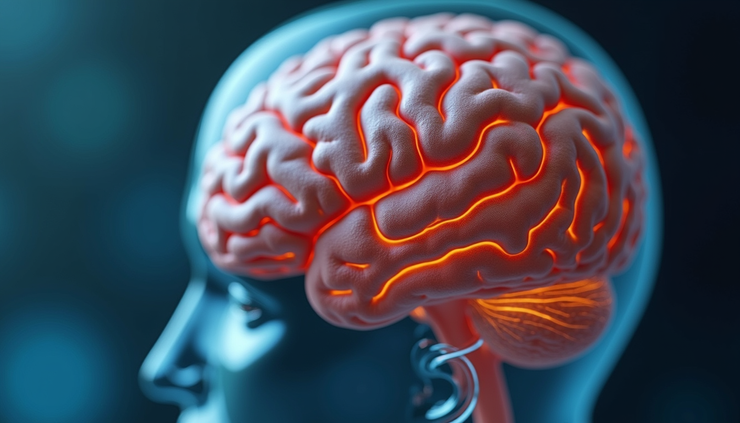
How Drugs Affect the Brain’s Reward System
At the core of addiction lies the brain’s reward system, a network designed to reinforce behaviors essential for survival, like eating and socializing. This system relies heavily on a chemical messenger called dopamine. When you experience something pleasurable, dopamine floods certain brain areas, creating feelings of enjoyment and motivating you to repeat the behavior.
Drugs hijack this system by causing a surge of dopamine far beyond natural levels. For example:
Cocaine blocks dopamine reuptake, leaving excess dopamine in the brain.
Opioids trigger dopamine release indirectly by binding to opioid receptors.
Alcohol increases dopamine release and affects other neurotransmitters.
This flood of dopamine produces intense euphoria, reinforcing drug use. Over time, the brain adjusts by reducing dopamine production or receptor sensitivity. This leads to tolerance, where more drug is needed to achieve the same effect, and withdrawal symptoms when drug use stops.
Brain Changes That Drive Addiction
Addiction is more than repeated pleasure seeking. It involves lasting changes in brain circuits that control decision-making, self-control, and stress response. Key brain areas affected include:
Prefrontal cortex: Responsible for judgment, impulse control, and planning. Addiction weakens this area, making it harder to resist cravings.
Amygdala: Processes emotions and stress. It becomes hyperactive, increasing anxiety and negative feelings during withdrawal.
Hippocampus: Involved in memory formation. It links drug use with environmental cues, making triggers powerful.
These changes create a cycle where drug use becomes compulsive despite harmful consequences. The brain prioritizes drug-seeking over other activities, and stress or drug-related cues can provoke intense cravings.
Why Some People Are More Vulnerable
Not everyone who tries drugs becomes addicted. Several factors influence vulnerability:
Genetics: Studies suggest genetics account for about 40-60% of addiction risk. Variations in genes related to dopamine receptors or metabolism can affect sensitivity to drugs.
Environment: Early life stress, trauma, or exposure to drug use increases risk. Supportive social environments can protect against addiction.
Mental health: Conditions like depression, anxiety, or ADHD often co-occur with addiction, complicating recovery.
Age of first use: The brain is still developing during adolescence, making early drug use more likely to cause lasting changes.
Understanding these factors helps tailor prevention and treatment efforts.
Common Triggers That Lead to Relapse
Even after quitting, many people face strong urges to use drugs again. Triggers can be:
Environmental cues: Places, people, or objects associated with past drug use.
Stress: Emotional or physical stress can activate brain circuits linked to craving.
Negative emotions: Feelings like sadness, loneliness, or boredom.
Positive emotions: Sometimes celebrations or social events prompt relapse.
Recognizing triggers and developing coping strategies is essential for long-term recovery.
Practical Steps to Support Brain Health and Recovery
While addiction changes the brain, recovery is possible. The brain can heal and rewire with time and support. Some helpful approaches include:
Behavioral therapies: Cognitive-behavioral therapy (CBT) helps identify triggers and build coping skills.
Medication: Certain drugs can reduce cravings or withdrawal symptoms, supporting abstinence.
Healthy lifestyle: Regular exercise, balanced nutrition, and good sleep improve brain function.
Mindfulness and stress reduction: Practices like meditation can calm the amygdala and reduce relapse risk.
Social support: Strong relationships and support groups provide motivation and accountability.
Final Thoughts on Addiction and the Brain
Addiction is a brain disorder shaped by powerful changes in neural circuits. Drugs disrupt the reward system and impair self-control, creating a cycle that is difficult to break. Understanding the neuroscience behind addiction reveals why it happens and highlights the importance of compassionate, science-based approaches to treatment.
If you or someone you know struggles with addiction, remember that recovery is a journey. The brain’s ability to adapt means change is possible. Seeking professional help and building a strong support network can make a meaningful difference.

Comments