Understanding the Neurobiological Effects of LSD Trips
- Elgin Bedou
- Feb 23
- 3 min read

LSD, or lysergic acid diethylamide, is a powerful psychedelic known for its profound effects on perception, mood, and cognition. Many people are curious about what happens in the brain during an LSD trip. This post explores the neurobiological processes behind these experiences, offering a clear overview of how LSD interacts with the brain and what users might expect during a trip.
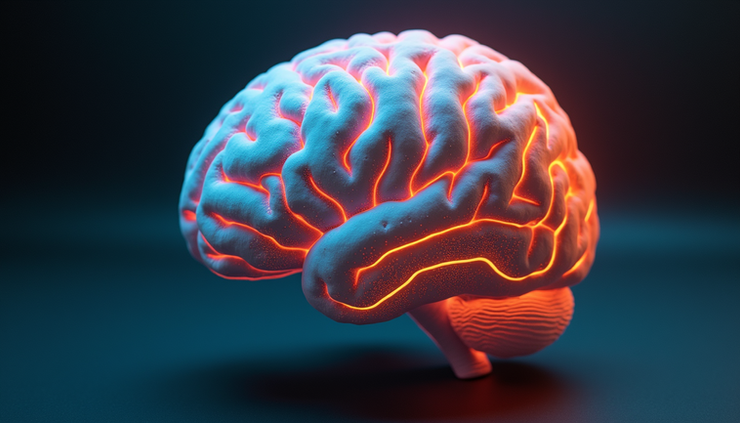
How LSD Affects the Brain
LSD primarily acts on the brain’s serotonin system. Serotonin is a neurotransmitter that influences mood, perception, and cognition. LSD binds to serotonin receptors, especially the 5-HT2A receptor, which plays a key role in the psychedelic experience.
Activation of 5-HT2A receptors: LSD stimulates these receptors, leading to altered sensory perception and changes in thought patterns.
Increased connectivity: Brain imaging studies show that LSD increases communication between different brain regions that usually do not interact, creating new neural pathways.
Reduced activity in the default mode network (DMN): The DMN is involved in self-reflection and the sense of ego. LSD decreases its activity, which may explain feelings of ego dissolution or unity with the environment.
Sensory and Cognitive Changes During an LSD Trip
The neurobiological changes translate into vivid sensory and cognitive effects:
Visual hallucinations: Users often see patterns, colors, and shapes that are not present. This happens because LSD disrupts normal visual processing.
Altered time perception: Time may seem to slow down or speed up due to changes in brain regions that track time.
Emotional shifts: LSD can amplify emotions, making users feel intense joy, awe, or sometimes anxiety.
Synesthesia: Some users experience blending of senses, such as "seeing" sounds or "hearing" colors.
The Role of Brain Networks
LSD affects several brain networks beyond the serotonin system:
Default Mode Network (DMN): As mentioned, reduced DMN activity correlates with ego dissolution.
Salience Network: This network helps prioritize important stimuli. LSD may alter its function, leading to unusual focus on internal or external experiences.
Visual Cortex: LSD increases activity here, explaining the vivid visual effects.
Duration and Phases of an LSD Trip
An LSD trip typically lasts 8 to 12 hours and can be divided into phases:
Onset (30-60 minutes): Initial changes in perception and mood begin.
Peak (2-4 hours): Intense visual and cognitive effects occur.
Plateau (4-6 hours): Effects stabilize but remain strong.
Come-down (6-12 hours): Effects gradually fade, and normal perception returns.
Understanding these phases helps users prepare for the experience and manage expectations.

Safety and Considerations
While LSD is not considered addictive, it can cause challenging psychological experiences. The neurobiological effects can lead to:
Anxiety or panic: Especially in unfamiliar or uncomfortable settings.
Persistent perceptual changes: Rarely, users may experience lasting visual disturbances.
Interaction with mental health conditions: People with a history of psychosis or certain psychiatric disorders should avoid LSD.
Anyone interested in exploring psychedelics should research thoroughly and consider their mental health status.
Summary
LSD profoundly alters brain function by targeting serotonin receptors and changing communication between brain networks. These changes produce vivid sensory experiences, altered cognition, and emotional shifts that define the psychedelic trip. Understanding the neurobiology behind LSD helps demystify the experience and highlights the importance of safe use.
For those interested in exploring related substances, you can find a variety of products at Web Cartels, including:

Comments