Understanding the Global Discrepancies in Marijuana Legislation
- Elgin Bedou
- Feb 15
- 3 min read

Marijuana laws differ widely around the world, creating a complex patchwork of regulations that can confuse travelers, businesses, and advocates alike. Some countries have fully legalized cannabis for recreational use, while others impose strict penalties for possession. This variation stems from a mix of historical, cultural, political, and economic factors that shape each nation’s approach to marijuana. Exploring these reasons helps explain why marijuana legislation is far from uniform and why it continues to evolve.
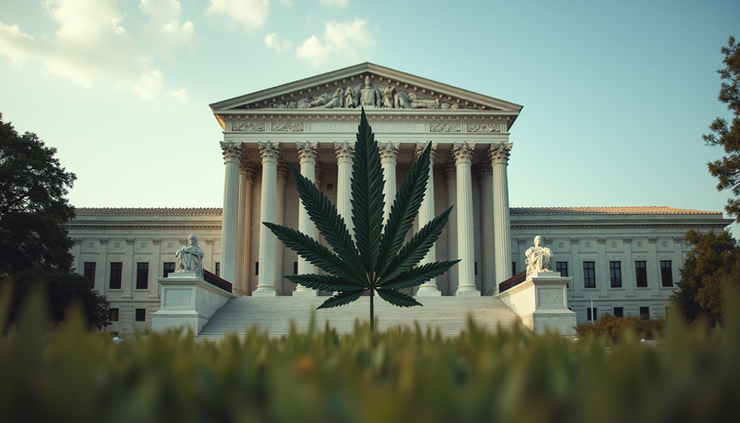
Historical Roots of Marijuana Laws
The history of marijuana use and regulation plays a major role in how laws developed. In many parts of the world, cannabis has been used for centuries for medicinal, spiritual, or recreational purposes. For example:
In India and parts of the Middle East, cannabis has traditional religious and cultural significance.
In the Americas, indigenous peoples used cannabis and related plants for various rituals and remedies.
However, the 20th century brought a wave of prohibition influenced by international treaties and political agendas. The 1961 United Nations Single Convention on Narcotic Drugs classified cannabis as a controlled substance, pushing many countries to criminalize it. This global treaty shaped national laws, but enforcement and interpretation varied widely.
Cultural Attitudes and Social Norms
Cultural views on marijuana strongly influence legislation. Societies with conservative social values often maintain strict prohibitions, associating cannabis with crime or moral decline. In contrast, countries with more liberal attitudes toward personal freedom and drug use tend to adopt more permissive laws.
For example:
The Netherlands has a tolerant approach, allowing regulated sales in coffee shops despite cannabis remaining technically illegal.
Japan enforces harsh penalties, reflecting a cultural emphasis on social order and conformity.
These cultural differences affect public opinion, which in turn pressures lawmakers to either relax or tighten restrictions.
Political and Economic Factors
Politics and economics also shape marijuana laws. Some governments see cannabis legalization as a way to generate tax revenue, reduce law enforcement costs, and create jobs. Others fear the political backlash or potential social harms.
Examples include:
Canada legalized recreational marijuana nationwide in 2018, aiming to control the market and reduce illegal trade.
In contrast, many countries in Asia and the Middle East maintain strict bans due to political conservatism and concerns about drug abuse.
Economic interests from pharmaceutical companies, agriculture, and law enforcement agencies can also influence policy decisions, sometimes slowing reform efforts.
International Influence and Legal Conflicts
Global treaties and international relations complicate marijuana legislation. Countries that legalize cannabis often face tension with international drug control agreements. Some nations risk losing foreign aid or trade benefits if they diverge too far from UN conventions.
At the same time, regional cooperation and changing global attitudes encourage reform. For instance:
Uruguay became the first country to fully legalize recreational marijuana in 2013, setting a precedent in Latin America.
Several U.S. states have legalized cannabis despite federal prohibition, creating a legal patchwork within one country.
These conflicts highlight the challenge of balancing national sovereignty with international obligations.
Public Health and Safety Concerns
Concerns about health and safety shape laws as well. Governments weigh the potential risks of cannabis use, such as addiction or impaired driving, against benefits like medical treatment and harm reduction.
Some countries adopt strict regulations to control potency, sales, and advertising. Others focus on education and prevention programs. The lack of uniform scientific consensus on marijuana’s effects contributes to cautious or varied policies.
The Role of Advocacy and Social Movements
Grassroots activism and changing public opinion have driven many recent legal changes. Advocacy groups highlight the medical benefits of cannabis, the social costs of criminalization, and issues of racial justice related to drug enforcement.
For example:
In the United States, the movement to legalize marijuana gained momentum through ballot initiatives and shifting voter attitudes.
In South Africa, a court ruling decriminalized private cannabis use, reflecting growing social acceptance.
These movements continue to influence lawmakers and shape future legislation.
Marijuana laws vary globally because of a complex mix of history, culture, politics, economics, and public health concerns. Understanding these factors helps explain why some countries embrace legalization while others maintain strict bans. As attitudes and evidence evolve, more nations may reconsider their policies, leading to further changes in this dynamic legal landscape.

Comments