The Impact of Party Drugs on College Campuses and Student Life
- Elgin Bedou
- Feb 16
- 3 min read

College life often comes with new freedoms and social opportunities. For many students, parties are a big part of the experience. Unfortunately, party drugs have become common at these gatherings, affecting students in many ways. Understanding the impact of these substances on college campuses helps students, parents, and educators make informed decisions and promote safer environments.

What Are Party Drugs and Why Are They Popular on Campuses?
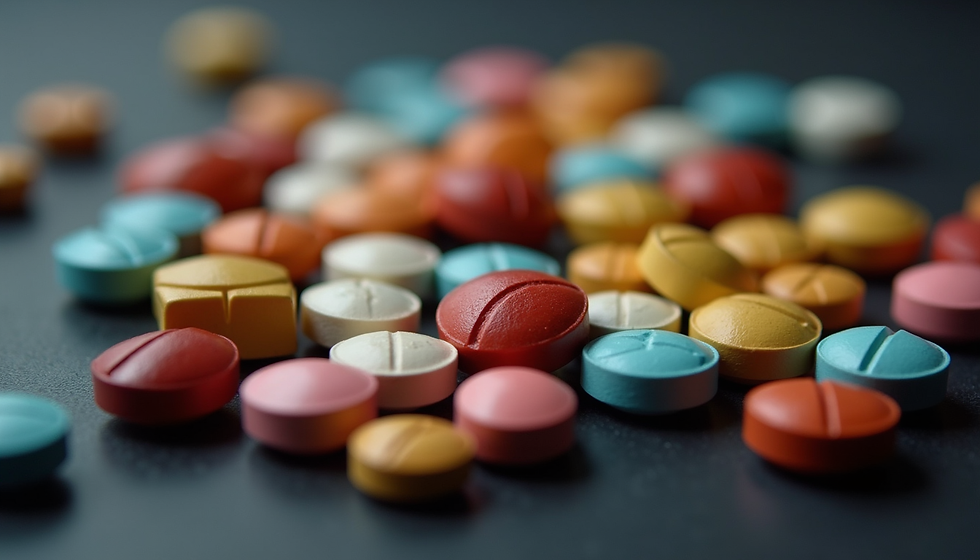
Party drugs include substances like MDMA (ecstasy), cocaine, LSD, and prescription stimulants used recreationally. These drugs are often taken to enhance social experiences, increase energy, or alter perception during parties and social events.
Several factors explain their popularity on campuses:
Social pressure: Students may feel the need to fit in or keep up with peers.
Stress relief: Some use drugs to escape academic or personal pressures.
Curiosity and experimentation: College is a time of exploration for many young adults.
Availability: Party drugs can be easier to obtain in college settings due to social networks.
Effects on Student Health and Academic Performance
Party drugs can have serious consequences on both physical and mental health. Short-term effects might include increased heart rate, dehydration, anxiety, or hallucinations. Long-term use can lead to addiction, memory problems, and mental health disorders such as depression or psychosis.
Academic performance often suffers when students use party drugs regularly:
Reduced concentration and memory issues make studying difficult.
Irregular sleep patterns affect energy and alertness.
Missed classes or assignments due to hangovers or drug-related health problems.
Lower motivation to engage in academic work.
A study published by the National Institute on Drug Abuse found that students who frequently use party drugs are more likely to drop out or have lower grades compared to their peers.
Social and Legal Consequences
Using party drugs can also impact social relationships and legal standing:
Strained friendships and family ties due to changes in behavior or priorities.
Risky behaviors such as unsafe sex or driving under the influence.
Legal trouble including arrests, fines, or expulsion from school.
Campus disciplinary actions that can affect future opportunities.
Many colleges have strict policies against drug use, and violations can lead to suspension or expulsion. These consequences can derail a student’s academic and career goals.
How Campuses Are Responding
Many colleges recognize the risks and have taken steps to address party drug use:
Education programs that inform students about the dangers and legal risks.
Counseling services offering support for students struggling with substance use.
Peer support groups that encourage healthy social activities.
Strict enforcement of drug policies during campus events.
Some schools have also introduced harm reduction strategies, such as providing water stations at parties or training students to recognize signs of overdose.
What Students Can Do to Stay Safe
Students can take several steps to protect themselves and others:
Know the risks associated with party drugs and make informed choices.
Set personal limits and stick to them during social events.
Look out for friends and intervene if someone appears in danger.
Seek help from campus health services if struggling with substance use.
Choose alternative social activities that do not involve drugs or excessive alcohol.
Building a supportive community where students feel comfortable discussing these issues can reduce stigma and encourage healthier behaviors.
The Role of Parents and Educators
Parents and educators play a key role in prevention:
Open communication about drug use and its consequences helps students make better decisions.
Providing resources and support for mental health and stress management.
Encouraging involvement in campus activities that promote wellness and connection.
Collaborating with campus officials to create safer environments.
Early intervention and ongoing support can reduce the likelihood of drug-related problems.
Comments