Is Endogenous DMT Naturally Produced in the Human Body and Its Significance?
- Elgin Bedou
- Feb 23
- 4 min read

The idea that the human body might produce its own psychedelic compound has fascinated scientists and curious minds alike. Dimethyltryptamine, or DMT, is a powerful hallucinogen known for its intense, short-lived effects when consumed externally. But does the human body create DMT on its own? This question has sparked research and debate, with implications for understanding consciousness, dreams, and even near-death experiences.

The pineal gland is often studied as a possible source of naturally produced DMT in the brain.
What Is Endogenous DMT?
Endogenous DMT refers to dimethyltryptamine that is produced naturally within the human body, rather than introduced from external sources. DMT is a tryptamine molecule structurally similar to neurotransmitters like serotonin. It is known for its psychedelic effects when ingested, but the presence of DMT inside the body raises questions about its natural role.
Research has detected trace amounts of DMT in human blood, urine, and cerebrospinal fluid. This suggests that the body synthesizes it in small quantities, but the exact locations and functions remain under investigation.
Where Is DMT Produced in the Body?
One of the most discussed sites for endogenous DMT production is the pineal gland, a small endocrine gland in the brain. The pineal gland regulates sleep-wake cycles by producing melatonin, and some researchers hypothesize it might also produce DMT.
Studies in rodents have shown enzymes necessary for DMT synthesis present in the pineal gland. However, direct evidence of significant DMT production in the human pineal gland is limited. Other tissues, such as the lungs and retina, have also been suggested as possible sources.
The Role of Endogenous DMT in Human Physiology
The exact role of endogenous DMT is not fully understood, but several theories exist:
Modulation of Consciousness: Some scientists propose that DMT could influence dreaming, hallucinations, or altered states of consciousness naturally occurring during sleep or near-death experiences.
Neurotransmitter Function: DMT might act as a neurotransmitter or neuromodulator, affecting brain signaling pathways.
Protective Mechanisms: There is speculation that DMT could help protect neurons or regulate brain inflammation.
While these ideas are intriguing, more research is needed to confirm any physiological roles.
Evidence from Research Studies
Several studies have contributed to our understanding of endogenous DMT:
In 2019, researchers detected DMT in the cerebrospinal fluid of living humans, confirming its presence in the central nervous system.
Animal studies have identified the enzyme indolethylamine-N-methyltransferase (INMT), responsible for DMT synthesis, in various tissues.
Some experiments suggest that DMT levels might increase during stress or trauma, potentially linking it to near-death experiences.
Despite these findings, the amounts of DMT found are very low compared to doses used recreationally, raising questions about its functional significance.
Implications for Consciousness and Spiritual Experiences
The presence of endogenous DMT has fueled speculation about its role in mystical or spiritual experiences. Some believe that natural DMT release could explain vivid dreams, out-of-body sensations, or the profound visions reported during near-death experiences.
This idea remains controversial but has inspired new lines of inquiry into how brain chemistry shapes subjective experience.
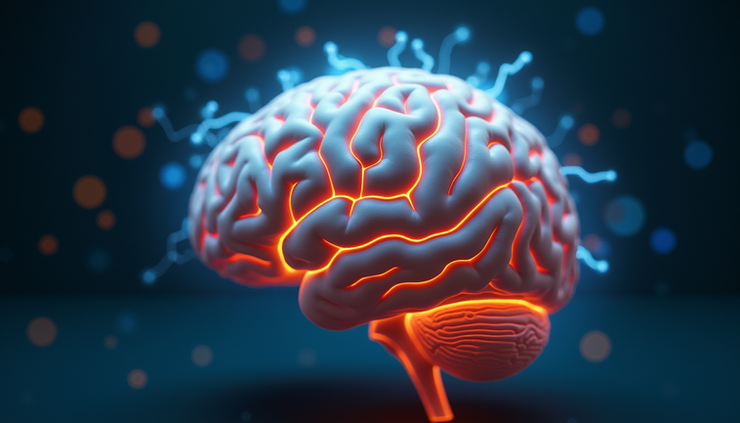
Neurotransmitter pathways in the brain may involve endogenous DMT influencing perception and cognition.
Challenges in Studying Endogenous DMT
Studying endogenous DMT is difficult due to several factors:
Low Concentrations: DMT exists in very small amounts, making detection and measurement challenging.
Rapid Metabolism: The body breaks down DMT quickly, limiting its window of activity.
Ethical and Technical Limits: Directly studying DMT production in the human brain involves invasive methods that are often not feasible.
These challenges mean that much of the current knowledge is based on indirect evidence or animal models.
What This Means for Future Research
Understanding endogenous DMT could open new doors in neuroscience and psychology. It might help explain how the brain generates altered states of consciousness naturally and provide insights into mental health conditions.
Future research may focus on:
Developing better tools to measure DMT in the brain.
Exploring how DMT interacts with other neurotransmitters.
Investigating its potential therapeutic uses in controlled settings.
Summary
The human body does produce DMT in small amounts, but its exact role remains a mystery. The pineal gland is a likely source, but other tissues may contribute. Endogenous DMT might influence consciousness, dreams, or spiritual experiences, but current evidence is limited.
As science advances, we may better understand how this natural compound shapes our inner world. For now, endogenous DMT remains a fascinating piece of the puzzle in exploring human consciousness.
For those interested in exploring related compounds or substances, you can find more information and products at WebCartels. Here are some useful links:
Disclaimer: This blog post is for informational purposes only and does not constitute medical advice. Always consult a healthcare professional before considering any substance use.

Comments