Copy of Understanding the Risks of LSD and How to Mitigate Them for Mental Health and Safety
- Elgin Bedou
- Feb 15
- 3 min read

LSD, or lysergic acid diethylamide, is a powerful psychedelic that has fascinated people for decades. While some seek it for spiritual exploration or creativity, it carries significant risks that affect mental health and safety. Understanding these risks and learning how to reduce harm can help individuals make informed decisions and protect their well-being.
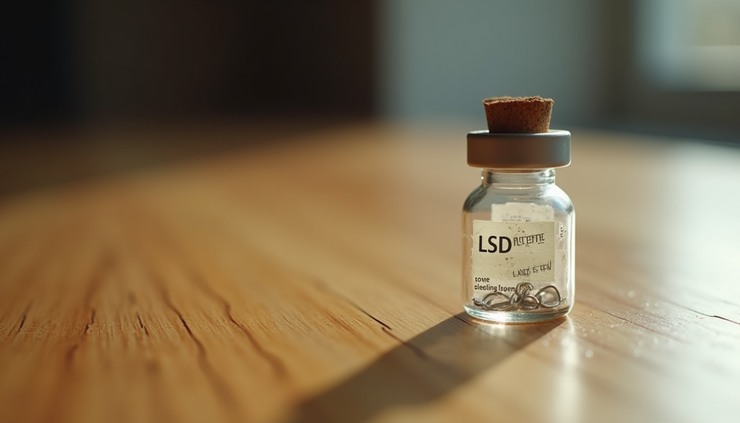
Mental Health Risks Linked to LSD Use
LSD profoundly alters perception, mood, and cognition. These effects can trigger or worsen mental health issues, especially in vulnerable individuals.
Psychological distress and anxiety
LSD can cause intense fear, paranoia, and panic attacks during a trip. These feelings may last hours and sometimes lead to lasting anxiety disorders.
Triggering psychosis or schizophrenia
People with a personal or family history of psychotic disorders face a higher risk of LSD-induced psychosis. Symptoms include hallucinations, delusions, and disorganized thinking that may persist after the drug wears off.
Hallucinogen Persisting Perception Disorder (HPPD)
Some users experience recurring visual disturbances like flashes or trails long after using LSD. This condition can interfere with daily life and cause distress.
Mood instability and depression
After the initial effects fade, some users report feelings of depression or emotional instability. These mood changes can last days or weeks.
Understanding these risks is crucial. LSD’s unpredictable effects mean that even experienced users can face serious mental health challenges.
Safety Concerns Beyond Mental Health
LSD is not physically addictive, but it can still pose safety risks related to behavior and environment.
Impaired judgment and risky behavior
Under LSD’s influence, people may misjudge situations, leading to accidents or dangerous actions such as driving or swimming.
Accidental injury
Visual distortions and altered perception increase the chance of falls, burns, or other injuries.
“Bad trips” and trauma
A bad trip can cause overwhelming fear or confusion, sometimes resulting in lasting trauma or the need for emergency medical care.
Unregulated substances
LSD obtained from unregulated sources may be mixed with harmful substances, increasing health risks.
Being aware of these safety issues helps users prepare and avoid harm.
Practical Harm Reduction Strategies
If someone chooses to use LSD, harm reduction techniques can reduce risks and improve safety.
Start with a low dose
Begin with a small amount to gauge sensitivity and reduce the chance of overwhelming effects.
Use in a safe, comfortable environment
Being in a familiar place with trusted people lowers anxiety and the risk of accidents.
Have a sober sitter present
A sober, responsible person can provide reassurance and intervene if problems arise.
Avoid mixing substances
Combining LSD with alcohol or other drugs increases unpredictability and danger.
Plan for the trip duration
LSD effects last 8 to 12 hours. Users should avoid commitments and ensure they have time to recover.
Know your mental health history
People with a history of psychosis, bipolar disorder, or severe anxiety should avoid LSD due to increased risk.
Stay hydrated and nourished
Drinking water and eating light snacks can help maintain physical well-being.
Have access to medical help
Know where to get emergency care if a severe reaction occurs.
These steps do not eliminate risk but can make LSD use safer.
Recognizing When to Seek Help
Sometimes, LSD use leads to situations requiring professional support.
Persistent hallucinations or paranoia beyond the trip
Severe anxiety or panic attacks that do not improve
Signs of psychosis such as disorganized speech or delusions
Physical injuries or overdose symptoms
Emotional distress interfering with daily life
If these occur, contacting a healthcare provider or mental health professional is essential. Early intervention can prevent worsening symptoms.
Final Thoughts on LSD and Mental Health
LSD carries real risks to mental health and safety. Its powerful effects can trigger anxiety, psychosis, and lasting perception changes. Unsafe environments and behaviors increase the chance of accidents or trauma. However, understanding these risks and applying harm reduction strategies can help reduce harm.

Comments