Understanding MDMA Dosage: Essential Safety Tips for Users
- Elgin Bedou
- Apr 1
- 4 min read

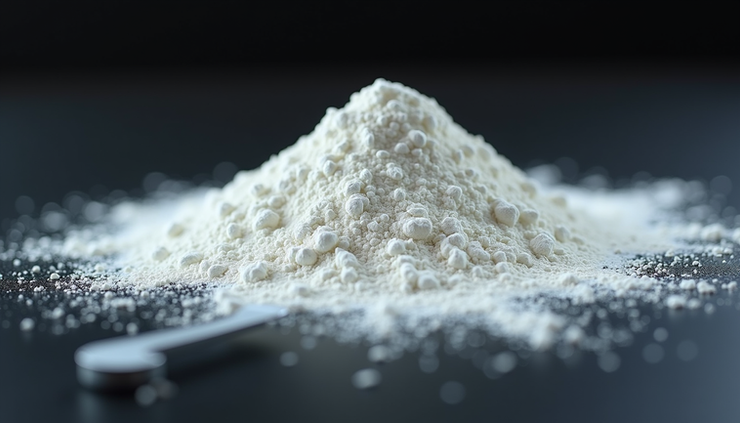
MDMA, commonly known as ecstasy or molly, is a popular psychoactive substance used recreationally for its mood-enhancing and empathogenic effects. While many users seek the euphoric and social benefits of MDMA, understanding the correct dosage is critical to reduce risks and ensure a safer experience. This guide provides clear, practical information about MDMA dosage, helping users make informed decisions based on safety and harm reduction principles.
Why Dosage Matters with MDMA
MDMA affects the brain by increasing the release of serotonin, dopamine, and norepinephrine, which leads to feelings of happiness, emotional closeness, and energy. However, the intensity of these effects depends heavily on the dose taken. Taking too little may result in weak or no effects, while too much can cause serious health problems such as overheating, dehydration, or even life-threatening complications.
The variability in MDMA purity and individual body chemistry makes dosage especially important. Users often encounter substances sold as MDMA that contain other chemicals, which can increase risks. Knowing safe dosage limits and how to measure them can reduce harm significantly.
Typical MDMA Dosage Ranges
MDMA doses are usually measured in milligrams (mg). The amount considered safe varies depending on factors like body weight, tolerance, and experience. Here are common dosage guidelines based on research and harm reduction organizations:
Threshold dose: 30–50 mg
Produces mild effects, often used by beginners or for testing substance purity.
Standard recreational dose: 75–125 mg
Most users experience strong euphoria, increased sociability, and sensory enhancement.
High dose: 150–200 mg
Effects intensify but risks increase, including anxiety, overheating, and nausea.
Very high dose: Above 200 mg
Strongly discouraged due to high risk of adverse effects and potential toxicity.
For safety, many recommend starting with a low dose and waiting at least 1.5 to 2 hours before considering a re-dose. Re-dosing should be limited to no more than half the original dose to avoid overdose.
Factors Influencing Safe MDMA Dosage
Several factors affect how MDMA impacts an individual, making personalized dosage important:
Body weight: Heavier individuals may require slightly higher doses for the same effect, but this is not a strict rule.
Tolerance: Frequent users develop tolerance, needing higher doses for effects, which increases risk.
Purity and content: MDMA sold illicitly can vary widely in purity and may contain harmful adulterants.
Health conditions: Heart problems, mental health issues, or medications can increase risks.
Environment: Hot, crowded settings increase the chance of overheating and dehydration.
Understanding these factors helps users adjust doses responsibly and avoid dangerous situations.
How to Measure MDMA Dosage Accurately
Measuring MDMA by eye or guesswork is risky. Using a milligram scale designed for small quantities is the safest method. These scales can measure doses as low as 1 mg, allowing precise control.
Tips for accurate measurement:
Use a digital scale with at least 0.01 g (10 mg) precision.
Place a small container or paper on the scale before weighing.
Avoid eyeballing doses; even small differences can affect safety.
If powder is uneven or clumpy, break it down to ensure even dosing.
Test substances with reagent kits to check for purity before use.
Recognizing Signs of Overdose and When to Seek Help
Taking too much MDMA can cause symptoms such as:
Rapid heartbeat or chest pain
Severe agitation or confusion
High body temperature (above 39°C/102°F)
Seizures or loss of consciousness
Difficulty breathing or vomiting
If any of these occur, seek emergency medical help immediately. Do not wait or assume symptoms will pass.
Harm Reduction Tips for MDMA Users
To reduce risks when using MDMA, consider these practical safety tips:
Test your substance with reagent kits to confirm it is MDMA and not dangerous substitutes.
Start low and go slow: Begin with a small dose and wait to feel effects before taking more.
Stay hydrated but avoid excessive water intake; sip fluids regularly.
Take breaks from dancing or physical activity to prevent overheating.
Avoid mixing MDMA with alcohol or other drugs, which can increase risks.
Use in a safe environment with trusted friends who can help if problems arise.
Allow time between sessions: Frequent use increases tolerance and health risks.
Common Myths About MDMA Dosage
Many misconceptions surround MDMA dosage. Clearing these up helps users make better choices:
Myth: More MDMA means better effects.
Taking too much often leads to negative effects like anxiety, nausea, or a bad “comedown.”
Myth: MDMA is safe at any dose if you feel fine.
Even moderate doses can cause serious health issues, especially in risky environments.
Myth: You can redose repeatedly without harm.
Redosing increases strain on the body and brain, raising overdose risk.
Myth: Pure MDMA is always safe.
Purity reduces some risks but does not eliminate dangers related to dosage and individual health.
Summary of Key MDMA Dosage Safety Points
Start with a low dose (30–50 mg) to test effects and purity.
Typical recreational doses range from 75 to 125 mg.
Avoid doses above 150 mg to reduce health risks.
Use a precise scale to measure doses accurately.
Wait at least 1.5 to 2 hours before considering a smaller re-dose.
Stay hydrated, cool, and avoid mixing substances.
Know overdose symptoms and seek help immediately if they appear.
https://webcartels.vip/product/order-kismet-magic-mushroom-gummies/ https://webcartels.vip/product/order-kismet-magic-mushroom-gummies/

Comments