Understanding MDMA Compared to Psychedelics Like LSD and Psilocybin

When exploring substances that alter perception and mood, MDMA, LSD, and psilocybin often come up in conversation. Each has unique effects, uses, and risks, but many people confuse them or assume they work the same way. This post breaks down how MDMA compares to classic psychedelics like LSD and psilocybin, highlighting their differences and similarities to help you understand these substances better.

What Is MDMA?
MDMA (3,4-methylenedioxymethamphetamine) is a synthetic drug known for its stimulant and empathogenic effects. It is commonly called "ecstasy" or "molly" in recreational settings. MDMA primarily increases the release of serotonin, dopamine, and norepinephrine in the brain, which leads to elevated mood, increased energy, and feelings of emotional closeness or empathy.
People often use MDMA in social or party environments because it promotes sociability and reduces anxiety. It has also been studied in clinical settings for its potential to assist psychotherapy, especially for post-traumatic stress disorder (PTSD).
Key Effects of MDMA
Heightened sense of empathy and emotional connection
Increased energy and alertness
Enhanced sensory perception, especially touch
Mild hallucinations or visual distortions (less common)
Elevated mood and reduced anxiety
MDMA’s effects usually last between 3 to 6 hours, with a gradual come-down phase.
What Are Psychedelics Like LSD and Psilocybin?
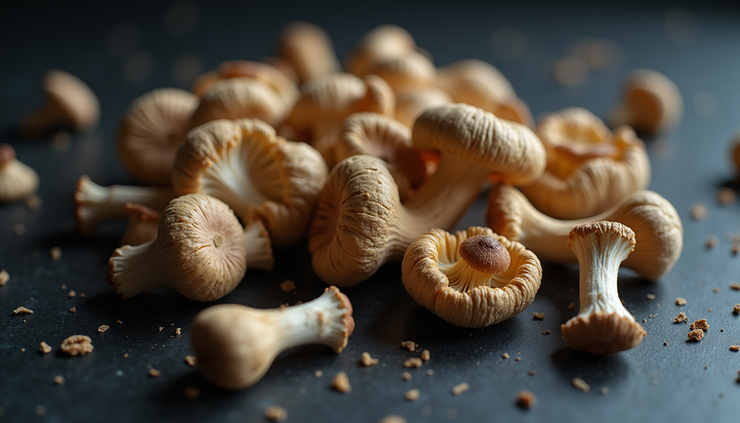
LSD (lysergic acid diethylamide) and psilocybin (the active compound in magic mushrooms) belong to a class of substances called classic psychedelics. These drugs primarily affect serotonin receptors in the brain, especially the 5-HT2A receptor, leading to profound changes in perception, cognition, and mood.
Unlike MDMA, psychedelics tend to produce intense visual and auditory hallucinations, altered sense of time, and deep introspective experiences. They are often used for spiritual or therapeutic purposes, as well as recreationally.
Key Effects of LSD and Psilocybin
Visual and auditory hallucinations
Altered sense of time and space
Deep emotional and philosophical insights
Changes in thought patterns and self-awareness
Possible spiritual or mystical experiences
The duration of effects varies: LSD can last 8 to 12 hours, while psilocybin effects typically last 4 to 6 hours.
How MDMA Differs from LSD and Psilocybin
Chemical Structure and Mechanism
MDMA is a synthetic compound with stimulant properties, while LSD and psilocybin are classic psychedelics with hallucinogenic effects. MDMA mainly boosts serotonin release, whereas LSD and psilocybin activate serotonin receptors directly.
Experience and Effects
Emotional tone: MDMA creates feelings of warmth, empathy, and connection. Psychedelics often lead to introspection, altered reality, and sometimes challenging emotional experiences.
Perception: Psychedelics cause vivid hallucinations and distortions in sensory perception. MDMA’s perceptual changes are usually mild and less visual.
Duration: MDMA’s effects are shorter and more predictable. LSD’s long duration can lead to extended trips, which may be overwhelming for some.
Social use: MDMA is popular in social settings due to its empathogenic effects. Psychedelics are more often used in quiet, controlled environments for reflection or therapy.
Safety and Risks
Both MDMA and psychedelics carry risks, but they differ in nature.
MDMA risks: dehydration, overheating, serotonin syndrome (especially with high doses or mixing drugs), and potential neurotoxicity with frequent use.
Psychedelic risks: “Bad trips” with anxiety or paranoia, psychological distress, and rare cases of persistent perceptual changes. Physical toxicity is generally low.
Both substances should be used cautiously, with attention to dose, setting, and personal health.
Therapeutic Uses and Research
Interest in MDMA and psychedelics has grown due to promising research on their therapeutic potential.
MDMA-assisted therapy: Studies show MDMA can help reduce PTSD symptoms by enhancing emotional processing and trust during therapy sessions.
Psychedelic therapy: LSD and psilocybin have been studied for depression, anxiety, addiction, and existential distress, often producing lasting positive changes after guided sessions.
Both types of substances are used under professional supervision in clinical trials, highlighting the importance of controlled environments.
Practical Considerations for Users
If considering these substances, understanding their differences helps make safer choices.
Set and setting: Psychedelics require a calm, safe environment and mental preparation. MDMA is often used in social settings but still benefits from a supportive atmosphere.
Dosage: Start low and go slow, especially with psychedelics, to avoid overwhelming experiences.
Frequency: Frequent MDMA use can lead to tolerance and health risks. Psychedelics are usually taken less often due to their intensity.
Legal status: Both MDMA and psychedelics are illegal in many countries but are increasingly accepted for medical use in research contexts.
Summary
MDMA and classic psychedelics like LSD and psilocybin offer distinct experiences. MDMA focuses on emotional connection and energy, while psychedelics provide deep perceptual and cognitive shifts. Both have potential therapeutic benefits but require careful use and respect for their effects.
https://webcartels.vip/product/order-kismet-magic-mushroom-gummies/ https://webcartels.vip/product/order-kismet-magic-mushroom-gummies/

Comments