Reassessing the War on Drugs MDMA's Role in Modern Society
- Elgin Bedou
- Mar 4
- 4 min read

The War on Drugs has shaped public policy and social attitudes for decades, often with controversial results. Among the substances caught in this ongoing battle is MDMA, a compound that has sparked debate over its risks, benefits, and place in society. As attitudes toward drug use evolve, it is crucial to reassess MDMA’s role beyond the stigma and explore its impact on health, culture, and law.
The Origins and Impact of the War on Drugs
The War on Drugs began in the 1970s with the goal of reducing illegal drug use through strict law enforcement and criminalization. This approach aimed to protect public health and safety but often resulted in unintended consequences such as mass incarceration and social inequality. MDMA, commonly known as ecstasy or molly, became illegal in many countries during this time due to concerns about its potential for abuse and harm.
Despite its illegal status, MDMA gained popularity in nightlife and festival scenes for its euphoric and empathogenic effects. This created a complex dynamic where the substance was both demonized by authorities and embraced by users seeking connection and emotional release.
MDMA’s Medical and Therapeutic Potential
Recent research has shifted the conversation around MDMA, highlighting its potential therapeutic benefits. Clinical trials have shown promising results in treating conditions such as post-traumatic stress disorder (PTSD), anxiety, and depression. The substance’s ability to enhance emotional openness and reduce fear responses makes it a valuable tool in psychotherapy.
For example, studies conducted by organizations like MAPS (Multidisciplinary Association for Psychedelic Studies) have demonstrated that MDMA-assisted therapy can significantly reduce PTSD symptoms in patients who have not responded to traditional treatments. This emerging evidence challenges the blanket prohibition of MDMA and calls for a more nuanced approach to its regulation.
Cultural Significance and Social Use
MDMA’s role extends beyond medical contexts into cultural and social realms. It has been a key element in electronic dance music (EDM) culture, where it fosters feelings of empathy, energy, and connection among participants. This social use reflects a desire for communal experiences and emotional expression that traditional social settings may not provide.
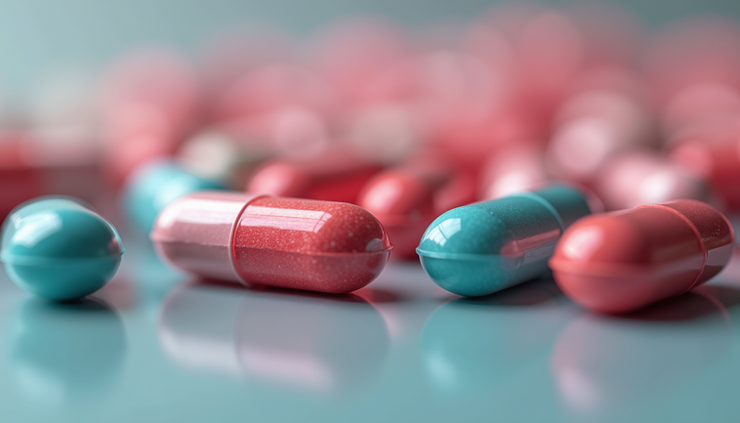
However, the illegal status of MDMA complicates its use, leading to risks such as unregulated products and unsafe dosages. The black market often supplies MDMA in various forms, including capsules and crystals, with inconsistent purity and potency. Consumers face challenges in ensuring safety, which has sparked calls for harm reduction strategies and regulated access.
Harm Reduction and Safer Access
Harm reduction focuses on minimizing the negative consequences of drug use without necessarily eliminating use itself. For MDMA, this includes education on dosage, testing for purity, and safe consumption practices. Some countries and organizations have started implementing drug checking services at festivals and events to reduce risks.
Online platforms provide access to various MDMA products, such as capsules and crystals, with detailed descriptions of dosage and purity. For instance, options like 120mg MDMA capsules or 90% pure MDMA crystals offer users more control over what they consume. These resources contribute to safer experiences and informed choices.
Legal Reforms and Future Directions
The evolving understanding of MDMA’s effects has prompted some governments to reconsider their drug policies. Decriminalization and medical legalization are gaining traction as alternatives to punitive approaches. Portugal’s decriminalization model and the FDA’s breakthrough therapy designation for MDMA-assisted PTSD treatment exemplify this shift.
Legal reforms could reduce the harms associated with criminalization, such as stigma and lack of quality control. They also open the door for further research and development of MDMA-based therapies. Balancing public health concerns with individual freedoms remains a challenge, but progress is evident.

Practical Considerations for MDMA Use
For those interested in MDMA, understanding safe practices is essential. Here are some key points:
Start with low doses to gauge individual sensitivity.
Use testing kits to verify substance purity and avoid adulterants.
Stay hydrated but avoid excessive water intake.
Avoid mixing with other substances, especially alcohol or stimulants.
Allow time between uses to prevent tolerance and reduce risks.
Resources like 150mg MDMA capsules and blueberry-flavored MDMA pills provide options for users seeking controlled dosages. Still, education and caution remain critical.
Conclusion
Reassessing MDMA’s role in modern society reveals a substance with complex effects and significant potential. The War on Drugs’ rigid stance has limited understanding and access, but new research and cultural shifts are changing the narrative. Embracing harm reduction, supporting medical research, and considering legal reforms can lead to safer, more informed approaches to MDMA.
As society moves forward, the focus should be on balancing risks and benefits with clear information and compassion. For those curious about MDMA, exploring trusted sources and prioritizing safety is the best path. The conversation about MDMA is far from over, and ongoing dialogue will shape its future role in health and culture.
Disclaimer: This article is for informational purposes only and does not endorse or promote illegal drug use. Always follow local laws and consult healthcare professionals for medical advice.

Comments