MDMA Purity in the U.S.: Debunking Common Misconceptions
- Elgin Bedou
- Mar 27
- 3 min read

MDMA, often known as ecstasy or molly, has a reputation that mixes excitement with caution. Many people are curious about its purity and safety, but myths often cloud the reality. Understanding the true state of MDMA purity in the U.S. helps users make informed decisions and promotes safer practices. This article explores common misconceptions about MDMA purity and provides clear, practical information based on current trends and data.
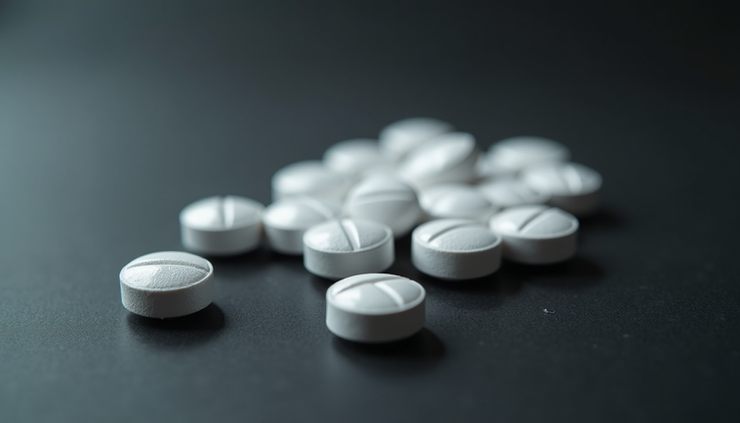
What People Commonly Believe About MDMA Purity
Many myths surround MDMA purity in the U.S., often fueled by media reports, anecdotal stories, and misinformation. Some of the most widespread beliefs include:
All MDMA sold as molly is pure
MDMA purity is consistent across all regions
Pills are less pure than capsules
Testing kits guarantee safety
These ideas can mislead users and increase risks. Let’s examine each one carefully.
The Reality of MDMA Purity in the U.S.
Purity Varies Widely
MDMA purity in the U.S. is not uniform. It depends on the source, production methods, and distribution networks. Studies and drug checking services have found purity levels ranging from as low as 20% to over 90%. This variation means that users cannot assume the substance they have is pure MDMA.
Molly Is Often Not Pure MDMA
The term "molly" is commonly used to describe pure MDMA powder or capsules. However, many products sold as molly contain other substances such as:
Synthetic cathinones (bath salts)
Methamphetamine
Caffeine or other fillers
This adulteration increases health risks and complicates harm reduction efforts.
Pills vs. Capsules
Pills often contain MDMA mixed with other substances to create specific effects or appearances. Capsules, especially those sold online, sometimes have higher purity but are not guaranteed. Packaging and branding, such as "Red Bull Molly" or "Owl MDMA pills," do not ensure purity or safety.
Testing Kits Are Helpful but Limited
At-home reagent testing kits can detect the presence of MDMA but cannot measure purity or identify all adulterants. Professional lab testing provides more accurate results but is less accessible.
How to Approach MDMA Use More Safely
Understanding the variability in purity is the first step toward safer use. Here are practical tips:
Use trusted sources when possible
Consider professional drug checking services
Start with a low dose to gauge effects
Avoid mixing with other substances
Stay informed about current trends and risks
For those interested in purchasing MDMA capsules or pills, some online platforms offer detailed product descriptions and customer reviews. Examples include:
These sites provide options but always require caution and awareness of legal and health risks.

The Role of Harm Reduction and Education
Education about MDMA purity helps reduce harm. Harm reduction organizations encourage:
Testing substances before use
Sharing accurate information about risks
Avoiding assumptions about product safety
Online communities such as Web Cartels VIP Telegram and DMT Community offer platforms for discussion and updates on substance trends.
Summary
MDMA purity in the U.S. varies widely, and many common beliefs about its consistency and safety are incorrect. Users should approach MDMA with caution, seek reliable information, and use harm reduction strategies. Understanding the realities behind MDMA purity helps reduce risks and promotes safer experiences.
For more information or to explore available products, visit Web Cartels.

Comments