Is MDMA Legal in the U S A Comprehensive State-by-State Analysis for 2026
- Elgin Bedou
- Apr 1
- 4 min read

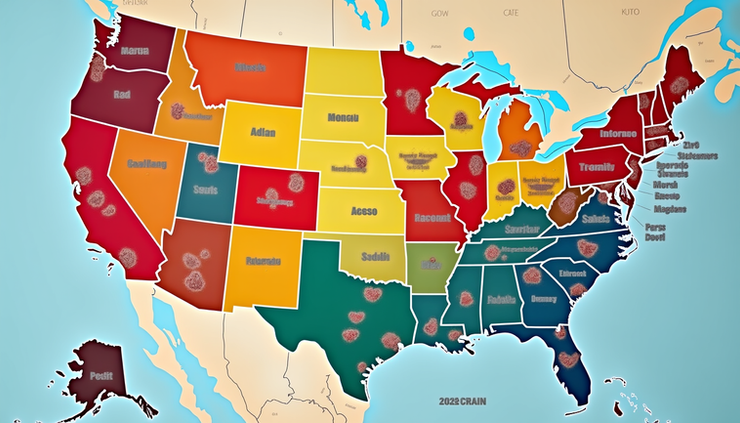
MDMA, commonly known as ecstasy or molly, has been a subject of legal debate and medical research for years. As of 2026, the legal landscape surrounding MDMA in the United States remains complex and varies significantly from state to state. This post breaks down the current legal status of MDMA across the country, highlighting key developments and what they mean for residents and visitors alike.
Federal Status of MDMA
At the federal level, MDMA remains classified as a Schedule I controlled substance under the Controlled Substances Act. This classification means the federal government considers MDMA to have a high potential for abuse, no accepted medical use, and a lack of accepted safety for use under medical supervision. Consequently, possession, distribution, or manufacture of MDMA is illegal under federal law.
Despite this, recent clinical trials have shown promising results for MDMA-assisted therapy, particularly for post-traumatic stress disorder (PTSD). The Food and Drug Administration (FDA) has granted MDMA-assisted psychotherapy a "breakthrough therapy" designation, signaling potential future changes in medical use and regulation.
States That Have Decriminalized MDMA
Several states have moved to decriminalize MDMA possession, reducing or eliminating criminal penalties for small amounts. Decriminalization does not mean MDMA is legal; rather, it means law enforcement treats possession as a low priority or a civil offense.
Oregon: In 2020, Oregon passed Measure 110, which decriminalized possession of small amounts of all drugs, including MDMA. Instead of jail time, individuals receive a citation and may be referred to addiction treatment services.
California: Some cities like Oakland and Santa Cruz have passed local measures to decriminalize MDMA possession, though state law still classifies it as illegal.
Colorado: Denver voters approved a measure in 2019 to decriminalize possession and personal use of certain psychedelics, including MDMA, making it the first major U.S. city to do so.
These moves reflect a growing trend toward treating drug use as a public health issue rather than a criminal one.
States with Legal Medical or Therapeutic Use
While no state has fully legalized MDMA for recreational use, a few have allowed its use in controlled therapeutic settings, often linked to ongoing clinical trials or expanded access programs.
California: The state supports clinical trials and has passed laws facilitating research into psychedelic-assisted therapy, including MDMA.
Colorado: Following Denver’s decriminalization, the state legislature has considered bills to expand access to psychedelic therapies.
Washington: Seattle has decriminalized psychedelic substances and supports research into their therapeutic potential.
These states are at the forefront of integrating MDMA into mental health treatment, pending federal approval.
States with Strict Prohibition and Enforcement
Many states maintain strict laws against MDMA possession, distribution, and manufacture. Penalties can include heavy fines, long prison sentences, and permanent criminal records.
Texas: MDMA is a Schedule I substance with severe penalties for possession and trafficking.
Florida: Possession of MDMA is a felony, with mandatory minimum sentences for trafficking.
Georgia: The state enforces strict drug laws, and MDMA possession can lead to significant jail time.
In these states, law enforcement continues to prioritize MDMA-related offenses, and there is little movement toward decriminalization or medical use.
Local Variations and Enforcement Realities
Even within states, enforcement can vary widely. Some cities and counties adopt more lenient approaches, focusing on harm reduction and diversion programs. For example:
Portland, Oregon: Beyond state decriminalization, Portland has implemented programs to connect users with health services.
Denver, Colorado: Local police deprioritize MDMA possession cases, aligning with voter-approved measures.
San Francisco, California: The city has a history of progressive drug policies, including harm reduction services.
Understanding local policies is crucial for residents and visitors, as state laws may not fully reflect enforcement on the ground.

What the Future Holds for MDMA Legality
The landscape for MDMA legality is evolving rapidly. Research continues to support its potential benefits in mental health treatment, which may influence federal and state policies. Key factors shaping the future include:
FDA Approval: If MDMA-assisted therapy gains full FDA approval, states may begin to legalize or regulate its medical use more broadly.
Public Opinion: Growing support for drug policy reform could lead to more states decriminalizing or legalizing MDMA.
Legislative Action: State legislatures may introduce bills to regulate MDMA for medical or even recreational use, following the path of cannabis legalization.
Staying informed about local laws and national developments is essential for anyone interested in MDMA’s legal status.
Important Considerations and Legal Risks
Anyone considering MDMA use should understand the legal risks and health considerations:
Legal Risks: Possession or distribution can lead to arrest, fines, and imprisonment depending on the jurisdiction.
Health Risks: MDMA can have serious side effects, especially when used outside medical supervision.
Therapeutic Use: Only participate in MDMA-assisted therapy through approved clinical trials or licensed providers.
This post provides information for educational purposes only and does not constitute legal or medical advice.
https://webcartels.vip/product/order-kismet-magic-mushroom-gummies/ https://webcartels.vip/product/order-kismet-magic-mushroom-gummies/

Comments