Exploring Peyote and Mescaline in Cultural Contexts and Legal Frameworks
- Elgin Bedou
- Feb 20
- 3 min read

Peyote and mescaline have long fascinated people around the world for their unique effects and deep cultural roots. These substances are not only known for their psychoactive properties but also for their significant roles in indigenous traditions and spiritual practices. At the same time, their legal status varies widely, creating a complex landscape for users, researchers, and policymakers. This post explores the cultural importance of peyote and mescaline, alongside the legal considerations that shape their use today.

What Are Peyote and Mescaline?
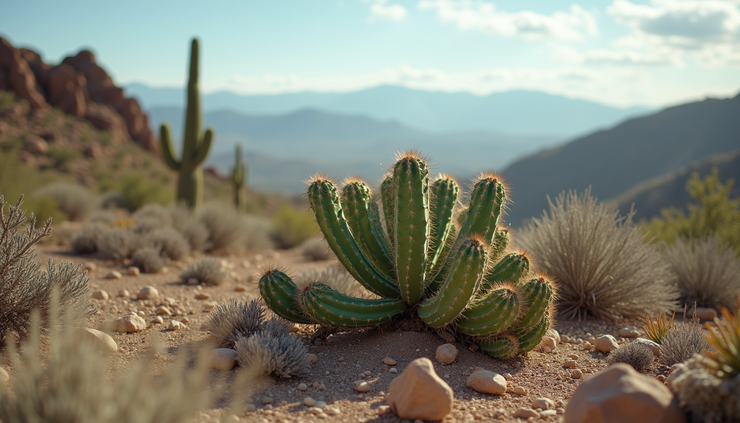
Peyote is a small, spineless cactus native to the southwestern United States and Mexico. It contains mescaline, a naturally occurring psychedelic compound that produces altered states of consciousness. Mescaline is the primary active ingredient responsible for the cactus’s psychoactive effects.
The use of peyote dates back thousands of years. Indigenous peoples have used it in religious ceremonies to connect with spiritual realms, seek guidance, and promote healing. Mescaline itself can also be synthesized in laboratories, but traditional peyote use remains deeply tied to cultural identity and ritual.
Cultural Significance of Peyote
For many Native American tribes, peyote is sacred. It plays a central role in the Native American Church, which blends Christian and indigenous beliefs. The cactus is used in ceremonies that emphasize community, prayer, and healing. These rituals often last all night and involve singing, drumming, and storytelling.
The cultural importance of peyote goes beyond its psychoactive effects. It represents a connection to ancestors, nature, and spiritual wisdom. Many users describe their experiences as transformative, helping them gain insight into personal and communal challenges.
Examples of Peyote Use in Indigenous Traditions
The Huichol people of Mexico undertake pilgrimages to collect peyote, which they consider a gift from the gods.
The Navajo use peyote in healing ceremonies to restore balance and health.
The Native American Church legally protects peyote use for religious purposes in the United States, recognizing its cultural value.
Mescaline Beyond Peyote
Mescaline is found in other cacti species such as San Pedro and Peruvian torch. These plants have also been used traditionally in South America for spiritual and healing purposes. The effects of mescaline include vivid visual hallucinations, altered perception of time, and emotional introspection.
In recent years, mescaline has attracted interest from researchers studying psychedelics for mental health treatment. Early studies suggest potential benefits for conditions like depression and PTSD, but more research is needed to confirm safety and efficacy.
Legal Considerations Surrounding Peyote and Mescaline
The legal status of peyote and mescaline varies widely by country and region. In many places, mescaline is classified as a controlled substance, making possession and use illegal. However, exceptions exist for religious use, especially in the United States.
United States
Peyote is classified as a Schedule I substance under federal law, generally illegal to possess.
The American Indian Religious Freedom Act allows members of federally recognized tribes to use peyote in religious ceremonies.
Non-indigenous use remains illegal and can result in prosecution.
Other Countries
Mexico permits peyote use for indigenous rituals but restricts commercial trade.
Some South American countries allow traditional use of mescaline-containing cacti.
Many European countries ban mescaline outright, with strict penalties for possession.
Legal Risks and Considerations
Travelers should research local laws before bringing or using peyote or mescaline.
Legal protections for indigenous use do not extend to recreational or experimental use.
Online markets exist for various psychoactive substances, but purchasing from unregulated sources carries risks including legal consequences and product safety concerns. For example, sites like WebCartels offer a range of substances, but buyers should be cautious and informed.
Ethical and Safety Aspects
Using peyote and mescaline outside of traditional contexts raises ethical questions. Indigenous communities emphasize respect for the plants and their cultural meaning. Recreational use can sometimes lead to cultural appropriation or misuse.
Safety is also a concern. Psychedelic experiences can be intense and unpredictable. Proper guidance, preparation, and setting are crucial to reduce risks. People with certain medical conditions or mental health issues should avoid these substances or consult professionals.
Summary of Key Points
Peyote is a cactus containing mescaline, used for thousands of years in indigenous spiritual practices.
Mescaline produces psychedelic effects and is found in several cacti species.
The Native American Church legally protects peyote use for religious ceremonies in the U.S.
Legal status varies globally, with many countries restricting possession and use.
Ethical use respects indigenous traditions and emphasizes safety.
Research into mescaline’s therapeutic potential is ongoing but not yet conclusive.
Exploring peyote and mescaline reveals a rich intersection of culture, spirituality, and law. Understanding these dimensions helps respect indigenous heritage and navigate the complex legal environment. For those interested in psychoactive substances, staying informed and cautious is essential. To learn more about related products and their availability, visit WebCartels.

Comments