Copy of Copy of The Impact of Social Media on MDMA Usage and Trends
- Elgin Bedou
- Apr 1
- 3 min read

The rise of social media has changed how people discover, discuss, and sometimes even use substances like MDMA. Platforms such as Instagram, TikTok, and Reddit have become hubs where drug culture spreads rapidly, influencing perceptions and behaviors around MDMA. This post explores how social media shapes MDMA trends, the risks involved, and what this means for users and communities.
How Social Media Shapes Drug Culture
Social media platforms allow users to share experiences instantly with a wide audience. For MDMA, this means:
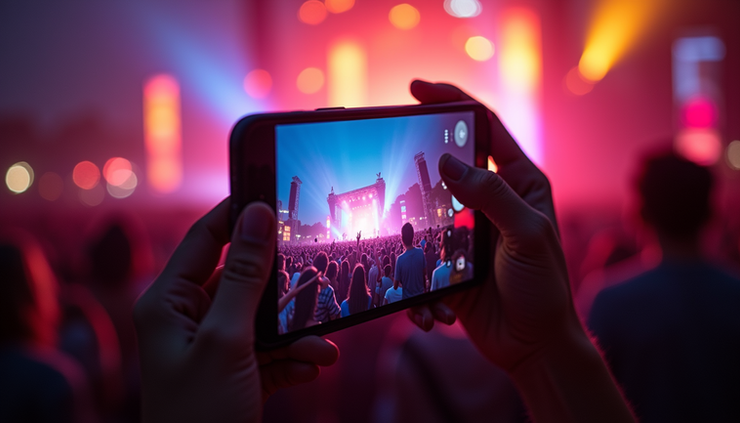
Normalization: Posts often show MDMA use in positive, fun settings like music festivals or parties. This can make the drug seem less risky or more socially acceptable.
Information Sharing: Users exchange tips on dosage, effects, and sourcing. While some information is accurate, much is anecdotal and unverified.
Trends and Challenges: Viral challenges or hashtags related to MDMA can encourage experimentation, especially among younger audiences.
These factors create an environment where curiosity about MDMA grows, sometimes without a full understanding of the risks.
The Role of Influencers and Peer Networks
Influencers and peer groups on social media play a significant role in shaping attitudes toward MDMA. When popular figures share their experiences or lifestyle that includes drug use, followers may feel encouraged to try it themselves. Peer validation through likes, comments, and shares reinforces this behavior.
For example, festival influencers often post about their experiences with MDMA, highlighting the euphoria and social connection it brings. This portrayal can overshadow the potential dangers, such as dehydration, overheating, or adulterated substances.
Risks of Misinformation and Unsafe Practices
Social media is not regulated for accuracy, which means misinformation about MDMA is common. Some risks include:
Unverified Dosage Advice: Users may follow unsafe dosage recommendations found online.
Fake or Adulterated MDMA: Social media can facilitate the sale of counterfeit drugs, increasing the risk of harmful substances.
Ignoring Health Warnings: Positive portrayals often omit the potential for negative side effects or long-term consequences.
This misinformation can lead to dangerous situations, especially for inexperienced users.

How Communities Are Responding
Some online communities and harm reduction groups use social media to spread safer use information. They provide:
Education on Dosage and Effects: Clear guidance on how to reduce risks.
Testing Resources: Information about reagent kits to test MDMA purity.
Support Networks: Spaces where users can share experiences without judgment.
These efforts aim to balance the influence of social media by promoting informed decisions and safety.
What This Means for Users and Society
The influence of social media on MDMA trends highlights the need for:
Critical Thinking: Users should question the accuracy of online content and seek reliable sources.
Open Conversations: Encouraging honest discussions about drug use and risks can reduce stigma and promote safety.
Policy and Education: Authorities and educators must understand social media’s role to create effective prevention and harm reduction strategies.
Social media will continue to shape drug culture, so adapting to this reality is essential for public health.
https://webcartels.vip/product/order-kismet-magic-mushroom-gummies/ https://webcartels.vip/product/order-kismet-magic-mushroom-gummies/

Comments